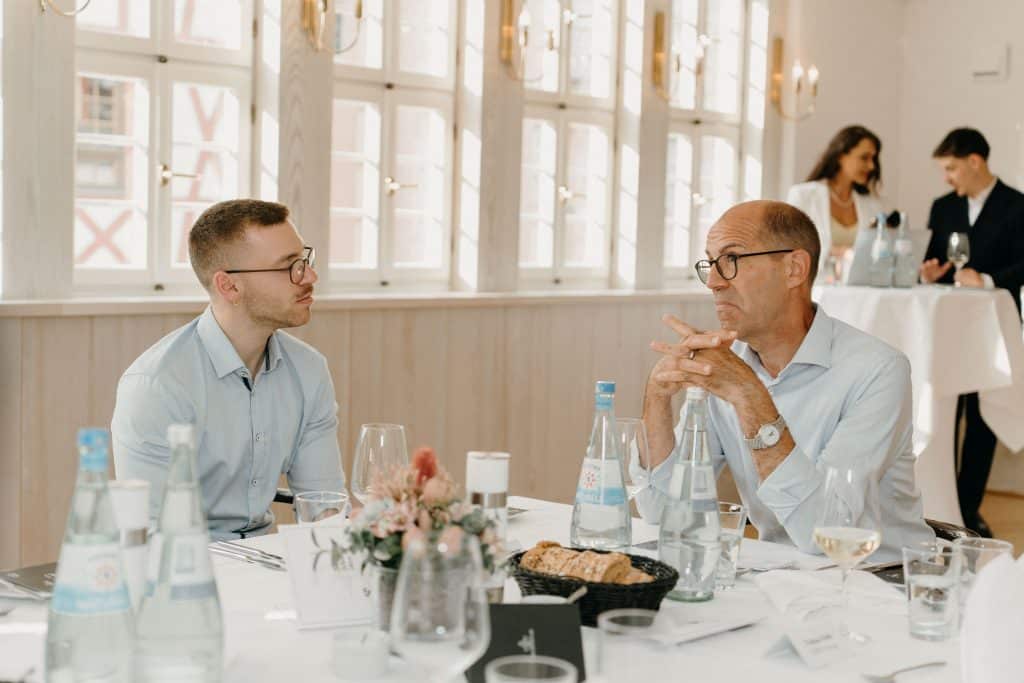
How did you start your moderation journey?
 How did you start your moderation journey?
My moderation journey began quite organically. I was first asked to moderate internal events within my organisation, like team town halls, strategy sessions, and knowledge-sharing forums. It was in those early moments that I realised how important it is to create space for different voices, manage time gracefully, and gently steer the conversation to stay aligned with its purpose.
At the time, I didn’t think of it as “moderation” in a formal sense. I was simply facilitating conversations and trying to keep everyone engaged and focused. But I loved it. The challenge of balancing structure with spontaneity and making sure everyone felt heard gave me a sense of purpose.
As my confidence grew, I started getting invitations to moderate external events, like roundtables, panel discussions, and even executive dialogues. I saw firsthand how a skilled moderator could completely transform the dynamic of a session and help participants go deeper in their thinking.
What do you find most exciting about moderating?
What excites me the most about moderating is the incredible privilege of being the bridge between people and ideas. At its core, moderation is connecting individuals from diverse backgrounds, perspectives, and experiences and guiding them toward meaningful dialogue. There’s something truly powerful about helping people find common ground, challenge assumptions, and co-create new insights in real time.
One of the most fulfilling aspects for me is setting the tone for the session and creating a space that feels safe, inclusive, and dynamic, where participants feel not only heard but valued. That emotional energy, when people really lean in and engage deeply with each other, is where the magic happens.
How do you typically prepare to moderate an Ortus event?
My preparation starts with understanding the purpose of the event and defining what success looks like for the client, the audience, and the speakers. I research each speaker’s background to tailor thoughtful, relevant questions that highlight their expertise and encourage meaningful dialogue. I also familiarise myself with the key topics so I can confidently guide the conversation without dominating it.
In parallel, I create a flexible framework of open-ended questions while leaving room for spontaneity. I always coordinate with the Ortus team on flow, timing, and technical details to ensure a smooth experience for everyone involved.
For me, preparation isn’t about scripting every moment of the event. It’s about being informed, adaptable, and ready to hold space for valuable conversation. When all the moving parts are aligned, the session feels natural, engaging, and impactful.
What tips and tricks would you recommend for those aspiring to become moderators?
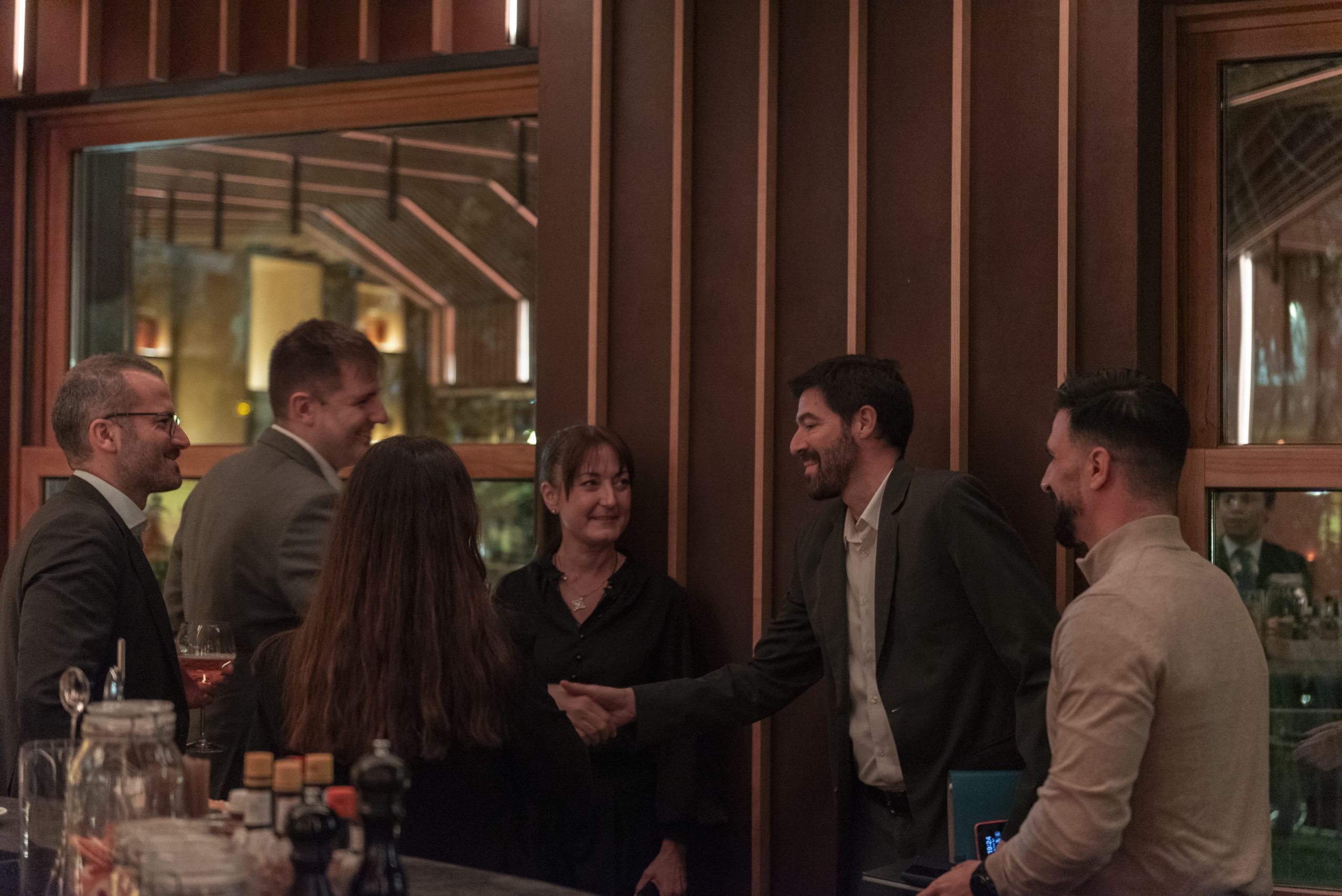
Listen actively, be flexible, and don’t be afraid to step in when necessary to guide the conversation. Be well-prepared, but also open to the unexpected. And above all, remember that your role is not to shine yourself, but to help others shine.
In what ways has moderating contributed to your growth as a leader in your field?
Moderating has been a powerful catalyst for both personal and professional growth. It’s sharpened essential skills like active listening, where I’ve learned to tune into not just what’s being said, but how and why it’s being said. It’s also enhanced my communication skills, from asking the right questions to creating space for diverse perspectives. And of course, time management has become second nature; keeping a session on track without compromising the richness of discussion is a skill in itself.
Beyond the technical skills, moderating has significantly increased my visibility and credibility in my professional sphere. It’s given me the opportunity to connect with senior leaders, experts, and thought leaders across industries, expanding my network and broadening my perspective. Being seen as someone who can hold space for meaningful dialogue has opened doors I hadn’t expected—and continues to do so.
How has moderating contributed to your personal and professional growth?
On a personal level, moderating has taught me to be more empathetic and emotionally attuned. You quickly learn that everyone communicates differently, and adapting to those styles in real time has made me more open, patient, and responsive. It’s a lesson in humility and human connection, two things that extend far beyond the event space.
Professionally, it’s helped me step more confidently into a leadership mindset. Holding space for others, guiding conversations with intention, and keeping momentum while balancing diverse perspectives. All of this has strengthened my ability to lead with clarity and composure. It’s also reinforced my belief in the power of creating environments where ideas and people can thrive.
Moderating became a mindset that I now bring into every room, conversation, and collaboration.